
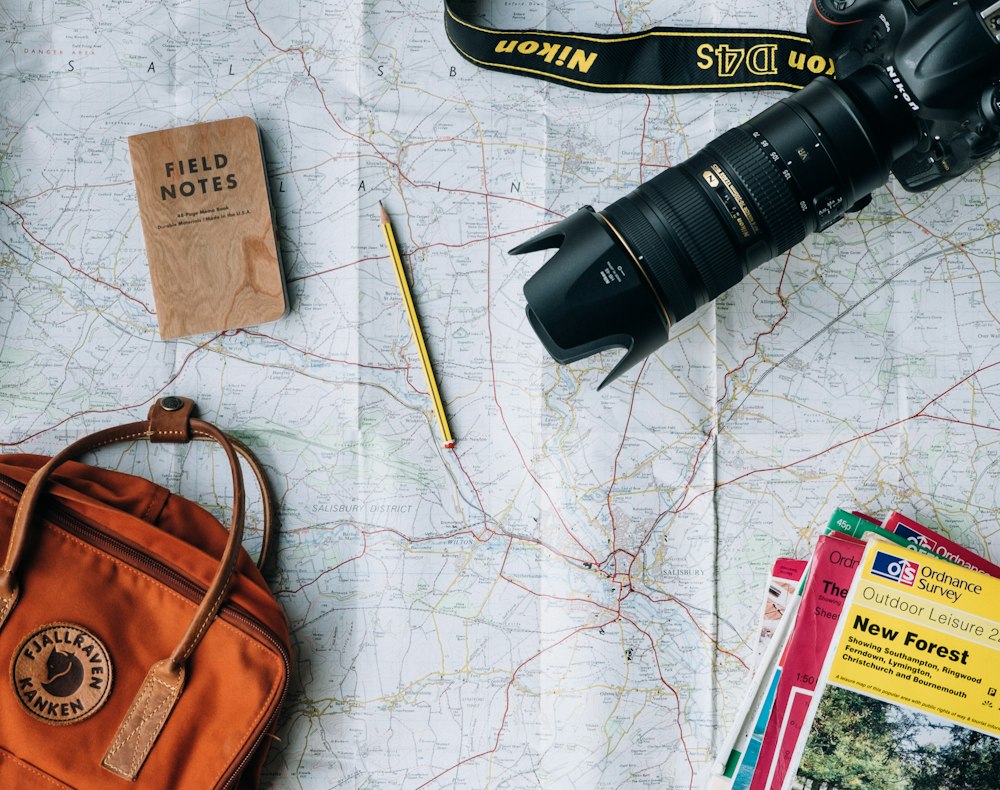
After 12 years and 60+ countries, I've made most of the planning mistakes that exist, and I've watched fellow travelers make the ones I missed. The good news: travel planning mistakes are highly consistent and therefore highly predictable. The bad news: most travelers make several of them on every trip until they learn better.
This guide is the shortcut — the mistakes, the consequences, and the simple corrections, so you can benefit from other people's experience rather than your own.
Booking Mistakes
Booking non-refundable flights before visas are confirmed
This happens most often with destinations requiring advance visa applications — India, China, Russia, parts of Africa. The traveler books flights, then discovers their visa application takes longer than expected, requires additional documentation, or is declined. Non-refundable flights to a country you can't enter are an expensive lesson.
Correction: For any destination requiring a visa, confirm the visa is approved (or approved in principle, for on-arrival and e-visa countries) before booking non-refundable flights. Use flexible/refundable fares or travel insurance with trip cancellation for any booking made before visa confirmation.
Booking too-tight connections
A 45-minute international connection might show as "available" on booking platforms, but arriving at one end of a large airport and clearing immigration, crossing terminals, and boarding at the other end in 45 minutes is genuinely optimistic. Missing a connection you booked yourself (not through a single airline itinerary) leaves you entirely responsible for alternative routing.
Correction: For international connections booked as separate tickets: minimum 3 hours. For connections within a single booking: still aim for 2 hours minimum at large airports. Build in more for airports known for congestion (London Heathrow, Amsterdam Schiphol, JFK).
Not checking passport validity
Entering a country with a passport that expires within 6 months of your departure date is refused at most borders. This catches travelers who checked their passport when they booked and didn't recheck when they departed months later.
Correction: Make passport validity check the first item in every pre-departure routine. Check both the expiry date and the specific validity requirement of your destination country. Add a calendar reminder 12 months before your passport expires.
Itinerary Planning Mistakes
Over-scheduling: trying to see everything
The most universal travel planning mistake. First-time visitors to a city or country often create itineraries that cover every museum, every neighbourhood, every day-trip option — and arrive exhausted, rushed, and unable to linger anywhere long enough to actually experience it. A day that visits seven sites produces seven photo opportunities and zero genuine memories.
Correction: Plan for one anchor activity per half-day maximum, and leave the remaining time unscheduled. The unscheduled time is where the best travel experiences happen — the café you sat in for an hour, the alley you wandered down, the conversation with a stranger. Travel is not a museum checklist.
Not accounting for travel time between sights
On paper: museum at 10am, lunch at 1pm, site visit at 3pm, dinner at 7pm. In reality: getting out of the museum took 45 minutes longer than planned, the restaurant had a 30-minute wait, traffic added 25 minutes to the taxi ride. The day collapses by 4pm and the 3pm site is missed.
Correction: Double your estimated travel time between every activity when planning. Add 50% to expected museum visit times (you will spend longer than you think). Plan fewer activities and enjoy them fully rather than rushing through more.
Not building buffer days into longer trips
A 14-day trip with 14 different cities/activities has no room for: a destination you love and want to stay in longer, a day of illness or exhaustion, a spontaneous opportunity, or a weather delay. The perfectly packed itinerary is the one most likely to become stressful.
Correction: For trips over 10 days, build in at least 1–2 unscheduled "buffer" days. These absorb delays, enable spontaneity, and provide recovery time if you get sick or simply need to rest.
Money Planning Mistakes
Not having a backup payment method
A single card works until it doesn't — fraud blocks, lost wallets, technical failures. Travelers who carry only one card discover this in the worst possible circumstances (foreign country, limited cash, accommodation payment due).
Correction: Always travel with two cards from different networks, stored in different locations. Primary card in wallet. Backup card inside the bag's hidden compartment. Tell at least one trusted person at home where the backup card is and your PIN (securely).
Underestimating costs
Most travelers underestimate food costs (particularly eating out for every meal), transport (airport transfers, day trips), activities (museum entries, tours), and the miscellaneous category that covers everything from a replacement phone charger to a spontaneous cooking class.
Correction: Research your specific destination's realistic daily costs from recent traveler reports (not destination websites), add 20% contingency, and budget for the miscellaneous category specifically rather than assuming it'll be minimal.
Safety Planning Mistakes
Not buying travel insurance
Detailed in our travel insurance guide, but worth repeating here: no travel insurance is the single most common and consequential travel planning mistake. A medical emergency, cancelled trip, or stolen equipment without insurance can cost $10,000–100,000+.
Not sharing your itinerary
Someone at home should know where you are and have a copy of your itinerary. This is especially important for solo travelers. If something goes wrong — illness, accident, or worse — someone needs to know where you're supposed to be and when to raise an alarm if they don't hear from you.
Not researching local emergency numbers
112 works throughout the EU. 911 in North America. In many countries, the relevant number is different and the local police or ambulance number is more useful than the national emergency line. Research this for each destination before arrival and save it to your phone.
Cultural Planning Mistakes
Not researching local customs and dress codes
Arriving at a temple in shorts, attempting to eat at a Moroccan restaurant during Ramadan without understanding the implications, tipping in Japan (offensive in some contexts), photographing people without permission in conservative communities — these are all avoidable with 15 minutes of pre-trip research.
Not learning any local language
Even 10 words — hello, thank you, please, excuse me, how much — changes how locals interact with you. It signals respect for the culture and produces genuine warmth in response. Use Duolingo for 15 minutes/day in the week before your trip and notice the difference.
💡 The planning checklist: Before confirming any trip, work through these five questions: (1) Is my passport valid? (2) Do I need a visa? (3) Have I bought travel insurance? (4) Does someone at home have my itinerary? (5) Have I researched my destination's specific practical requirements? Five questions, five minutes, eliminates 80% of the preventable travel planning mistakes.
Frequently Asked Questions
Over-scheduling — planning too many activities, cities, and sights into too little time — is the most universal mistake, especially for first-time visitors to a destination. The solution is to plan one anchor activity per half-day maximum and leave significant unscheduled time. The unscheduled time is where the best travel experiences happen.
For straightforward trips to popular destinations: 4–6 weeks minimum for visa applications (if required), 6–8 weeks for best flight prices, and 4–6 weeks for popular accommodation in peak season. For complex trips involving multiple countries, unusual destinations, or peak travel periods: 3–6 months is more appropriate. Start with visa requirements and work backwards from there.
Book connections with at least 2–3 hours between flights for international connections, more at large/complex airports. If booking separate tickets (not on a single booking), leave at minimum 3 hours and ideally 4+ for international connections — airlines have no obligation to rebook you if you miss a separately-booked connection due to the first flight's delay.
Stay calm and contact the most relevant party first — airline for flight issues, hotel for accommodation, travel insurance for medical or cancellation claims. Have key contact numbers saved offline before departure. Every travel problem has a solution; the quality of the solution often depends on how calmly and clearly you communicate the problem to the right people.